Why “Rough Skin” is a Clinical Signal
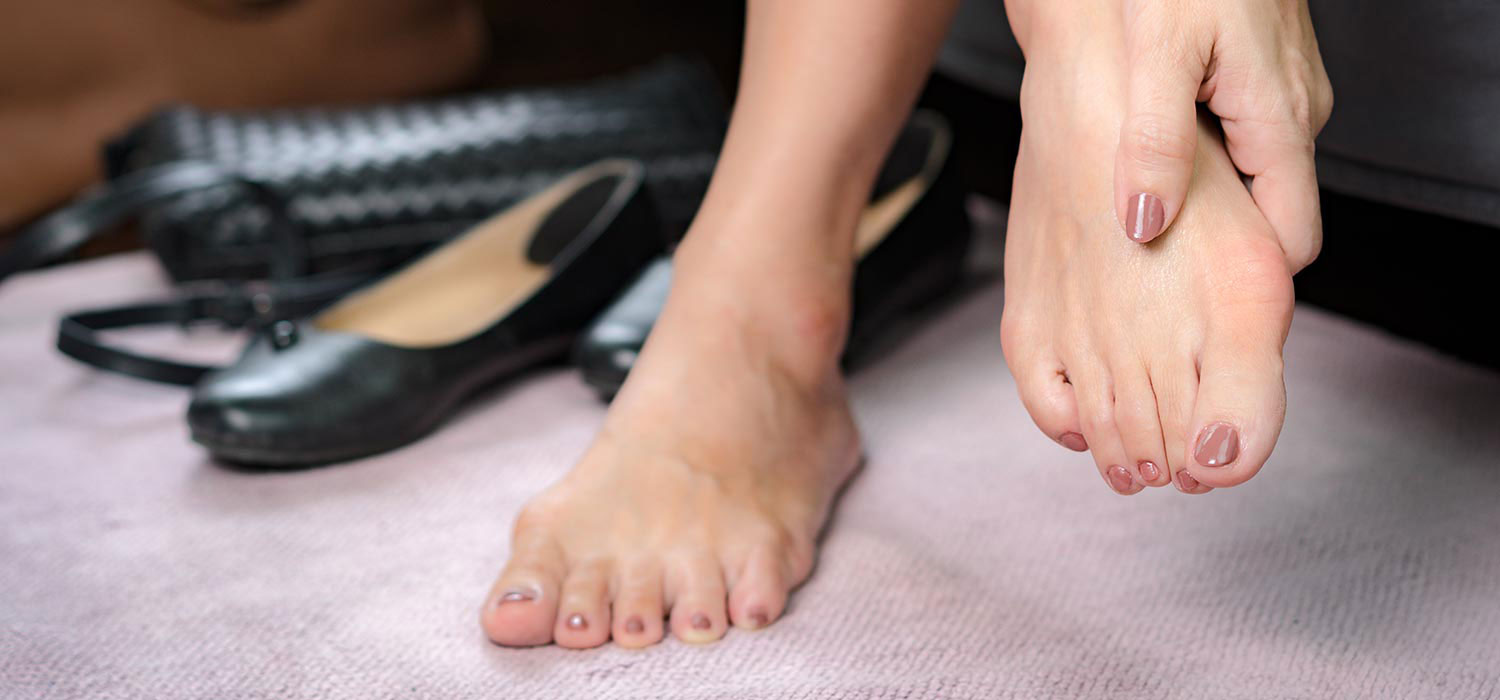
For many people in Putney and Haberfield, hard skin on the feet is viewed as a purely cosmetic issue—something to be “buffed away” during a pedicure. However, in the world of podiatry, corns and calluses are important clinical indicators. They are your body’s defensive response to localised friction and excessive pressure.
At Walk This Way Podiatry, we believe that you shouldn’t have to hide your feet or endure the sharp “stabbing” sensation of a corn. Our “Active Lives” philosophy means we don’t just remove the hard skin; we investigate the biomechanical reason it formed in the first place. Whether it’s due to a [Bunion] shifting your weight or a specific pair of work shoes, we provide the expert care needed to keep your skin healthy, supple, and pain-free.
Corns vs. Calluses: Do You Know the Difference?
While they are both made of the same toughened skin protein (keratin), they behave very differently.
Calluses (Hyperkeratosis)
A callus is a broad, flat patch of thickened skin. It usually develops on high-impact areas like the heels or the balls of the feet.
The Sensation
A dull ache or a “burning” feeling after a long day of walking.
The Look
Yellowish, rough, and sometimes flaky or waxy in appearance.
Corns (Heloma Durum)
A corn is essentially a concentrated callus. When pressure is pinpointed on one tiny spot, the skin thickens into a conical “plug” or nucleus that points inward.
The Sensation
Like walking on a sharp pebble or a thorn. Direct pressure causes an immediate, sharp pain.
The Types
“Hard corns” usually form on the tops of toes, while “Soft corns” (Heloma Molle) form between the toes due to moisture and bone-on-bone friction.
Ready for smooth, pain-free feet? book an appointment today.
The Risks of DIY "Bathroom Surgery"
It is tempting to reach for a pair of scissors or a “corn plaster” from the chemist. However, we strongly discourage this for several reasons:
The “Hole” Risk
Cutting too deep can cause bleeding and infection, especially in the warm, bacteria-prone environment of a shoe.
Chemical Burns
Many over-the-counter corn plasters contain salicylic acid. This acid cannot distinguish between the “dead” corn and your “healthy” surrounding skin, often leading to painful chemical burns and ulcers.
The Hidden Problem
For those with Diabetes or poor circulation, a small DIY cut can escalate into a non-healing wound or serious infection.
Our Professional Skin Care Process
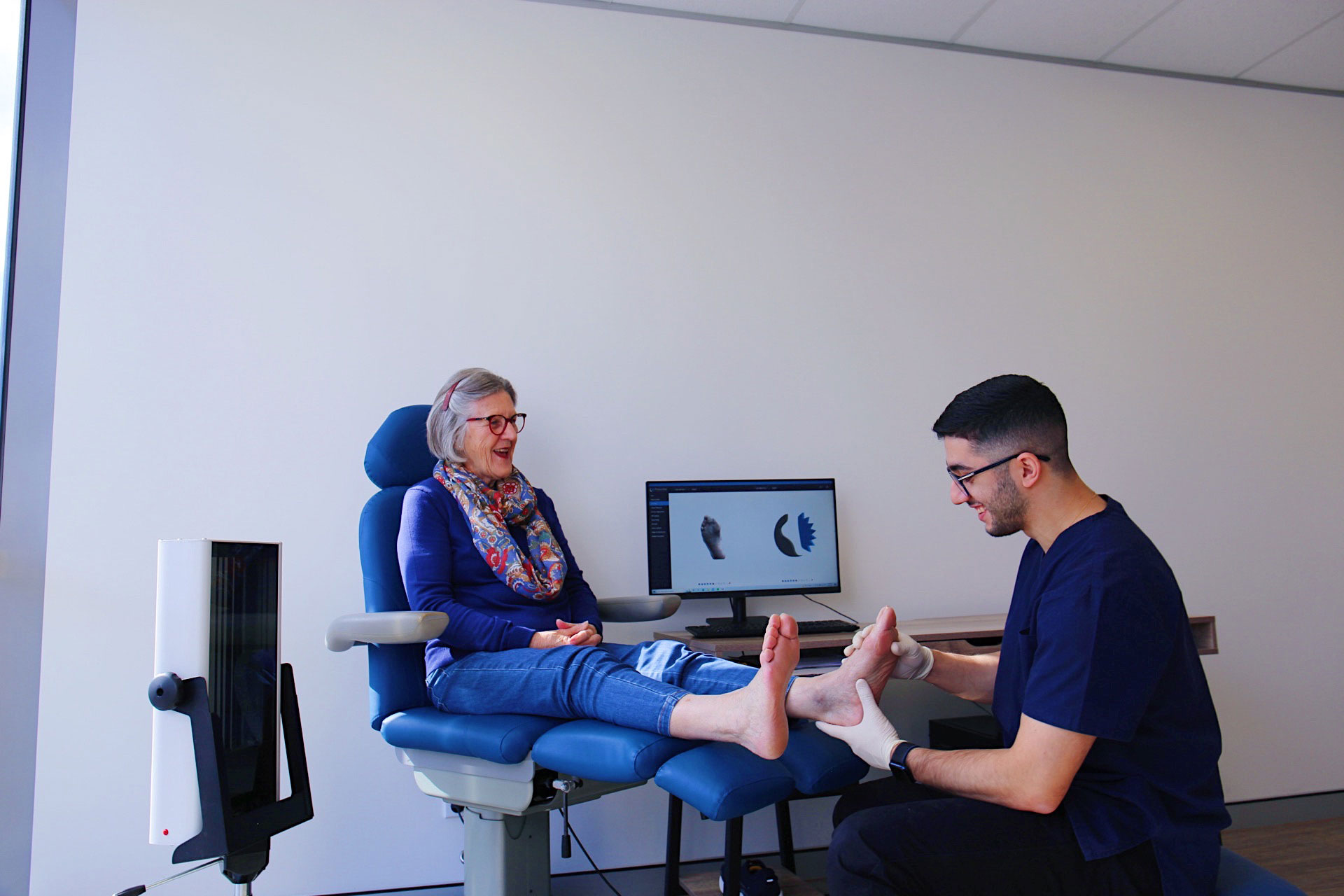
At our Sydney clinics, we provide a sterile, pain-free environment for skin debridement.
Clinical Debridement
Using specialised, sterile surgical blades, our podiatrists gently “pare back” the hard skin. Because the callus and corn are made of dead tissue, this process is generally completely painless and provides instant relief.
Enucleation
For corns, we carefully “scoop out” the central nucleus. This removes the physical pressure from the nerve endings underneath.
Pressure Redistribution
We don’t just send you on your way. We look at your [Gait Analysis] to see why that spot is being overloaded. We may use medical-grade padding or [Custom Orthotics] to prevent the skin from thickening again.
Emollient Therapy
We prescribe high-urea foot creams that help break down excess keratin and keep the skin elastic.
Ready for smooth, pain-free feet? book an appointment today.
Frequently Asked Questions
Why do my corns keep coming back every few months?
Skin has a “memory.” If the mechanical pressure (e.g., a hammer toe rubbing against a shoe) isn’t removed, the body will continue to produce hard skin to protect itself. We focus on the cause to break this cycle.
Is it a corn or a plantar wart?
They can look similar, but a podiatrist can tell the difference. A corn is painful when pressed directly, whereas a [Plantar Wart] is typically more painful when “squeezed” from the sides. Warts also have tiny black dots (blood vessels), which corns do not.
Does professional callus removal hurt?
No. Podiatrists are trained to remove only the dead, thickened layers of the skin. Most patients find the sensation quite relaxing, and the relief upon standing up is often described as “walking on clouds.”
Can "cracked heels" be dangerous?
Yes. Deep cracks (fissures) in a callus can act as doorways for bacteria. If the crack reaches the “live” dermis, it can bleed and become infected (cellulitis). We treat these by thinning the edges and using specialised dressings.
What is a "Seed Corn"?
These are tiny, painless corns that look like small seeds on the bottom of the foot. They are often associated with very dry skin rather than high pressure and respond well to intensive moisturizing.
Are certain shoes worse for corns?
Yes. Any shoe with a narrow “toe box” will squeeze the toes together, leading to corns on the pinky toe or between the toes. High heels shift weight to the forefoot, causing heavy calluses on the ball of the foot.
Can I use a pumice stone at home?
A pumice stone is fine for light maintenance of thin calluses, but it will not remove the “core” of a corn. Avoid “cheese grater” style files, as they are often too aggressive and can cause skin damage.
Why is my callus yellow or orange?
This is the natural colour of thickened keratin. However, if you see a dark brown or black spot under the callus, it could be dried blood (a “sub-keratotic hematoma”), which indicates the pressure is so high it is causing bruising under the skin.
Can socks prevent calluses?
Thick, moisture-wicking socks can reduce friction (rubbing), but they cannot stop “pressure” (compression). If your shoes are too tight, even the best socks won’t prevent corns.
How often should I have my hard skin cleared?
For most patients, a “General Treatment” appointment every 6 to 10 weeks keeps the skin comfortable and prevents corns from reaching a painful depth.
What people are saying about us…
Hundreds of patients in the Inner West and Sydney North have trusted us to treat their foot problems. We take great pride in our reputation and the reviews our patients leave us are testimony to that.
See what our patients say about their results on Google and Facebook, then book your own Biomechanical Assessment to experience the difference.